Custom Soft Sided Cooler OEM Process, MOQ and Terms
Eight steps from inquiry to shipment, each with a stated lead time. No hidden stages, no vague promises.
We confirm product type, quantities, materials, decoration and target dates.
Itemized quotation; contract signed once commercial terms are agreed.
Paid samples in 1-10 days depending on complexity; one revision round takes 2-3 days.
Fabrics, foams, liners and hardware sourced across 220+ fabric suppliers.
Cooler bag full-custom runs typically finish in 7-15 days; complex programs run longer.
In-line and final inspection against the signed sample.
Your choice of 6 packaging options, from poly bags to branded gift boxes.
Express courier 5-7 working days door to door, or sea freight in 40-45 days.
MOQ and sampling
| Cooler bags MOQ | 500 pieces |
|---|---|
| Pantone single-color matching | MOQ 200, ΔE≤2.0 |
| Sampling | 1-10 days, paid samples |
| Sample revision | 2-3 days per round |
| Full-custom production | 7-15 days |
| Stock + your logo | 3-7 days |
| Ready-to-ship bestsellers | Dispatch in 24-48h, mixed styles and colors supported |
Rush options
| +20% fee | Cuts lead time by 30% |
|---|---|
| +30% fee | Cuts lead time by 50% |
| +40% fee | Cuts lead time by 70% |
Payment
T/T, L/C, D/P & D/A, MoneyGram, Credit Card, PayPal, Western Union, Cash, and third-party platforms.
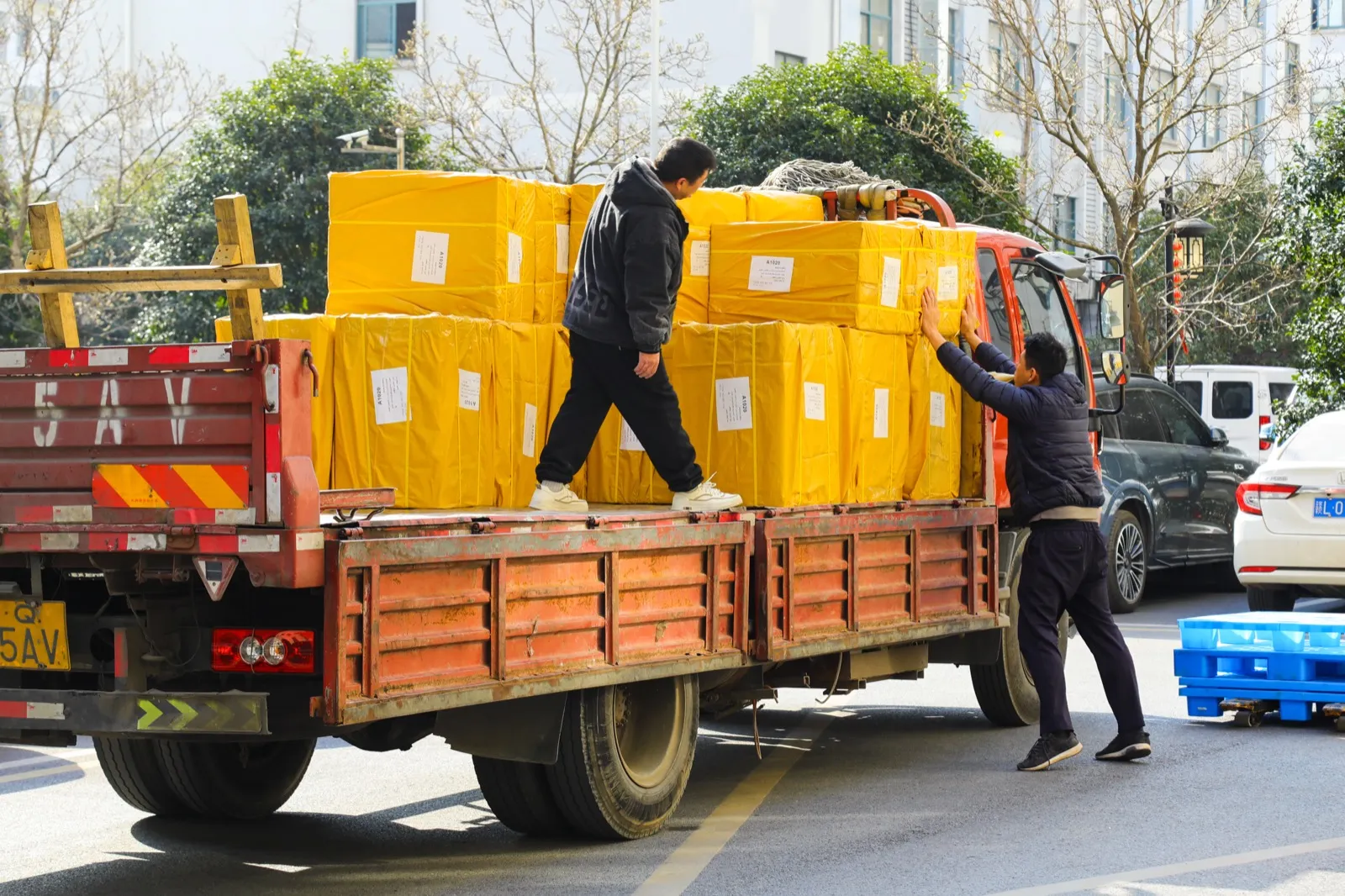
Logistics and after-sales
- Sea, rail and air freight; small batches by DHL/FedEx/UPS/TNT, 5-7 working days door to door
- Sea freight typically 40-45 days
- 24-hour response on every inquiry and claim
- Replacements, credits or technical support if something goes wrong
Start step one today
Send your spec and quantities. Inquiry confirmation takes 1-3 days.
Materials and Construction for a Custom Soft Sided Cooler
A custom soft sided cooler looks simple from the outside. The structure underneath decides how long it holds temperature, how much abuse it takes, and what it costs to ship. Buyers who compare suppliers on price alone often miss what they're actually paying for. Say a buyer asks for a quote on a 24-can cooler with a front pocket. One factory prices it low. Another comes in higher. The difference is rarely the sewing labor. It's the foam, the liner, the welding method, and the fabric. Get those wrong and the cooler fails in the field. Get them right and the product builds a repeat customer.
The insulation core is the first decision. Closed-cell PE and XPE foam are common. EVA foam costs more but offers better recovery and a softer hand. Some buyers spec a cheaper open-cell foam to hit a price point. That's a trap. Open-cell foam soaks up condensation, loses loft when wet, and holds odors. A buyer who sells into food delivery will hear about it within weeks. The liner matters just as much. Aluminum PET film reflects radiant heat and is easy to wipe clean. PEVA liners are cheaper and weld well. TPU liners cost more but take repeated flexing without cracking. For a medical cooler or a breast milk bag, TPU is often worth the upgrade.
Joining method changes everything. A sewn seam leaks unless it's taped. A heat-welded seam is cleaner and faster to produce. Radio-frequency welding gives the strongest seal on compatible thermoplastics. Ultrasonic welding works for thinner films and coated fabrics. The table below compares the realistic material choices for a custom soft sided cooler. Use it to shortlist, not to finalize. The factory still needs to confirm compatibility with your specific liner and foam stack.
| Material | Good for | Where it fails |
|---|---|---|
| 600D polyester with PU coating | Durable shells, promotional coolers, daily use | Heavy abrasion on rough surfaces; coating wears off over years |
| 420D nylon | Lighter shells, packable coolers, lower freight cost | Less puncture resistance; needs a good coating for water repellency |
| Tarpaulin with welded seams | Food delivery, high-wipe-down environments | Stiffer hand; more expensive to cut and weld |
| Aluminum PET liner | Radiant heat reflection, easy cleaning | Can crack when folded repeatedly at sharp angles |
| PEVA liner | Budget-friendly, weldable, food contact | Lower heat resistance; can feel thin |
| TPU liner | Medical, repeated flexing, leak-proof welds | Higher cost; requires compatible welding equipment |
Foam density gets less attention than it should. A low-density PE foam saves money and cuts weight. It also collapses faster under load. A buyer shipping canned drinks needs a denser foam than a buyer shipping sandwiches. Ask the factory to state foam density and thickness in the spec sheet. Don't accept "insulated foam" as a description. That's how a product drifts from sample to bulk.
How Different Buyers Should Specify This Product
There is no single right spec for a custom soft sided cooler. The right spec depends on who uses it and where it fails. Three buyer situations show how the decisions change.
First, a food delivery fleet. The cooler rides in a car or on a scooter all day. It gets opened constantly. Drivers wipe it down between orders. For this buyer, the liner is the priority. A welded tarpaulin shell with a PEVA or TPU liner holds up better than a sewn nylon shell. The zipper needs to survive thousands of cycles. The handle anchors need reinforcement. Cost per unit matters, but a failed seam costs more in refunds and lost drivers. This buyer should spec a fit sample and test it in real delivery conditions before approving bulk.
Second, a promotional buyer. The cooler is a giveaway or a low-cost retail item. The brand wants a big logo area and a low unit price. Here the shell fabric and print method drive the decision. A 600D polyester shell with a printed logo keeps tooling costs near zero. No new molds. No new zipper pulls. The buyer should ask about Pantone matching on the printed panel. A color that shifts between sample and bulk looks cheap. This buyer also cares about freight. A packable cooler that ships flat saves money. A rigid foam cooler does not.
Third, a medical or clinical buyer. The cooler carries temperature-sensitive samples or medication. The stakes are higher. This buyer needs a validated temperature hold time, not a marketing claim. The spec sheet must state foam type, foam thickness, liner material, and the test method used to measure hold time. A golden sample becomes the reference. Any change to foam or liner after approval triggers a change control. This buyer should also ask about metal detection at final inspection. It's a standard request for medical and food-contact products.
Each of these buyers starts with the same product category. They end with very different specs. The factory that asks the right questions early saves the buyer from a costly mistake later. If a supplier quotes without asking how the cooler will be used, that's a warning sign.
Customization That Changes Tooling, Cost or Lead Time
Some customization is free. Some is not. The difference is whether the change requires new tooling, new material, or a new process. Buyers who understand this can negotiate better and avoid surprises.
Changes that do not change tooling include printed logos, embroidery, color selection from existing fabric lines, and adding or removing a simple pocket. These changes affect cutting and sewing, not molds or dies. They add little to lead time. A new print color needs a strike-off approval. A new embroidery file needs digitizing. But the production line does not stop for new equipment.
Changes that do change tooling include a custom injection-molded zipper pull, a custom metal badge, a new buckle shape, or a molded base. These parts require a mold. Tooling costs vary significantly by part size, material, and cavity count. The factory should quote this separately. The mold lead time can add weeks before the parts are ready to sew. Buyers should confirm this lead time in writing before committing to a production date.
Some changes sit in the middle. A new liner material might not need tooling, but it changes the welding parameters. A thicker foam changes the seam allowance and the sewing machine settings. A new shell fabric changes the cutting plan and the marker efficiency. These changes do not stop production, but they add sampling time. The factory needs to make a new pre-production sample and get approval. That adds days, sometimes a week or more.
What about MOQ? A custom color often has a higher MOQ than a stock color. The same goes for a custom printed liner. The factory needs to order enough material to justify the dye lot or print run. Ask for the MOQ on every custom component, not just the finished bag. A buyer who specs a custom zipper pull might face a component MOQ of 1,000 pieces even if the bag MOQ is 500. That's a common surprise. Get it on the quote.
What to Check Before Approving Production
The sample looked great. The quote is signed. Before bulk production starts, a buyer should lock down the details that prevent a bad shipment. This is where a tech pack earns its keep. It should list dimensions, materials, construction details, artwork, labels, packaging, and test requirements. If the factory doesn't have a tech pack, the buyer should send one.
Performance wording is a common trap. A buyer wants to print "keeps ice for 24 hours" on the hang tag. That's a claim. The factory should not approve it without a test. The test method matters. Was the cooler pre-chilled? What was the ambient temperature? How much ice was used? What was the fill ratio? Without those details, the claim is meaningless. A buyer who wants a temperature claim should ask for the test report and the test method. Then the claim goes on the packaging only if the data supports it. This is claim control, and it protects both the buyer and the factory.
Inspection points vary by product. For a custom soft sided cooler, the critical dimensions are the interior volume, the zipper opening, and the handle drop. A cooler that doesn't fit a standard wine bottle or a six-pack is a return waiting to happen. Check the seam alignment on the liner. Check that the foam is centered and not bunched at the corners. Check the zipper for smooth operation. Check the liner for pinholes. A simple water test catches most liner defects. Fill the cooler with water, close it, and turn it over. If it leaks, the weld failed.
Defect classification should be agreed before inspection. A critical defect is one that makes the product unsafe or unusable. A major defect is one that a buyer would notice and return. A minor defect is a small cosmetic issue. The AQL level and sampling plan should be in the spec sheet. Don't leave this to the factory's "standard" inspection. Ask what standard they use. Then confirm it matches your market's expectations.
Finally, check the packaging. A cooler that ships compressed can save freight. But the compression can crease the foam permanently. If the cooler needs to stand up on a retail shelf, don't compress it. If it's a promotional item that ships flat, compression is fine. The carton should be sized to the product. Loose packing leads to scuffed shells. Over-packed cartons crush the foam. A quick carton drop test before shipping can save a container of damaged goods.
Buyers who compare suppliers should ask about these checks. A factory that can explain its inspection plan is a factory that has done this before. A factory that says "don't worry, we check everything" without details is a factory that will check nothing. The difference shows up in the container.
For more on cooler bag materials, see our guide to cooler bag materials. If you're sourcing for delivery fleets, the food delivery cooler bags page covers that use case. For buyers who need temperature hold data, how long ice lasts in a cooler explains the variables. And if you're comparing suppliers, our list of cooler bag manufacturers is a useful starting point.