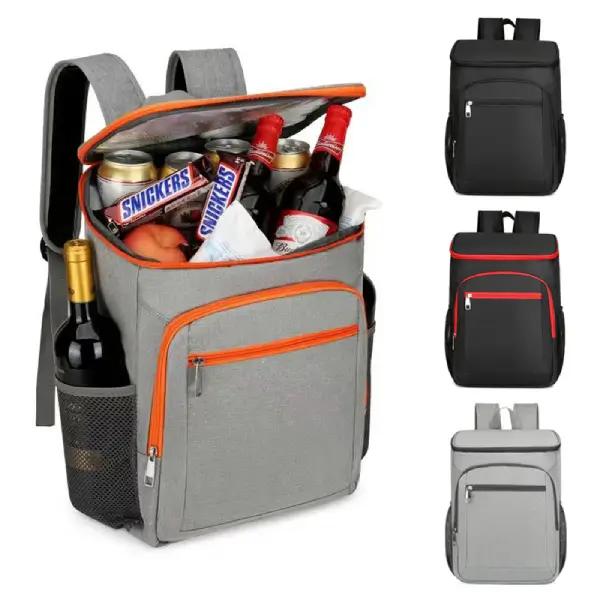
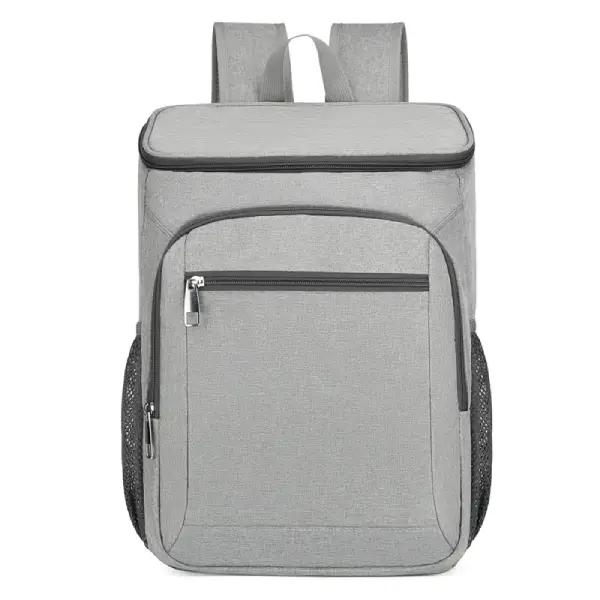
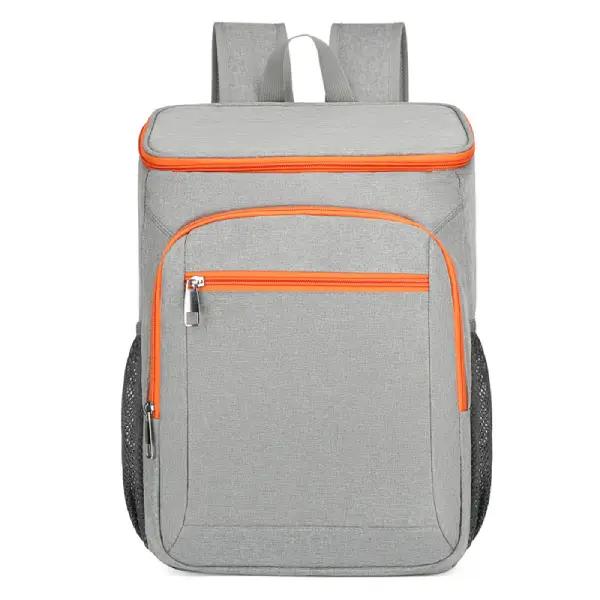
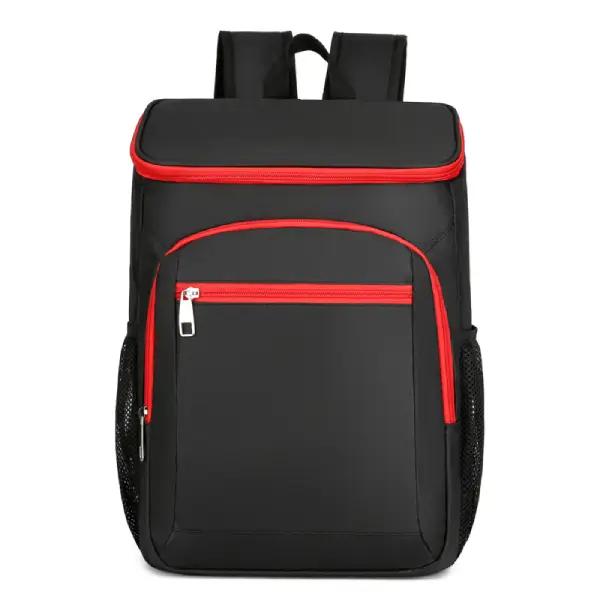
Wingtu Customized New Product Waterproof Oxford Backpack Insulated Bag Cooler Logo Custom Thermal Delivery Bag
| Material | Oxford |
|---|---|
| Type | Cooler Bag,Lunch Bag,Picnic Backpack |
| Dimensions | 30cm*18cm*44cm (Customized Made) |
| Color | (Customized Made) |
| Custom Logo | Accept Customized Logo |
| Printing/Design | Customers’requirements |
Lead time
| 1-300 pieces | 20-30 days |
|---|---|
| > 300 pieces | To be negotiated |
Samples are paid and ship in 1-10 days depending on complexity. We reply within 24 hours.
Product notes
- Experienced Manufacturer: We are a seasoned manufacturer specializing in producing high-quality cooler bags, lunch bags, and picnic bags using durable oxford material.
- Flexible Customization: We offer customization options, including size, colors, handle styles, and materials, to meet your specific needs, with ODM & OEM services available.
- Quick Sampling & Production: Our sample lead time ranges from 3 to 15 days, with production time between 7 to 30 days after sample confirmation, depending on the order quantity.
- High Production Capacity: With a production capacity of 20,000 pieces per day, we can efficiently handle large orders.
- Convenient Payment Options: We accept payments through PayPal for a secure and straightforward transaction process.
Related cooler bags
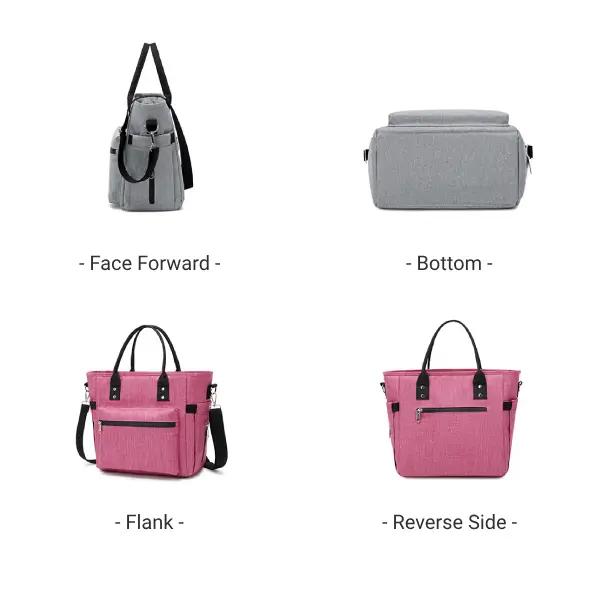
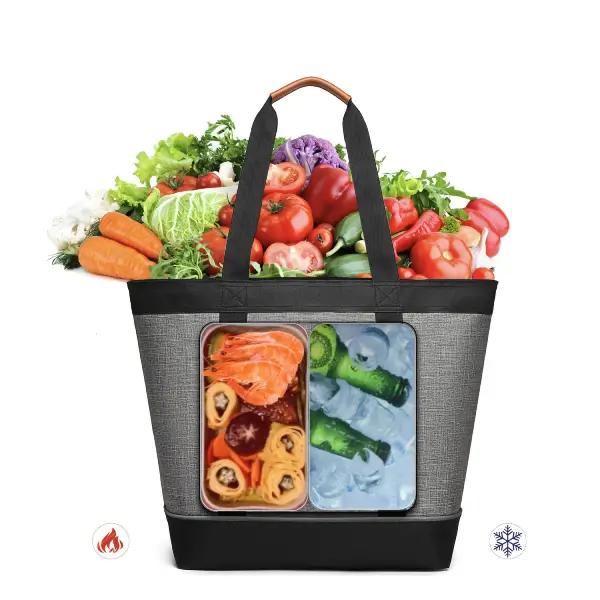
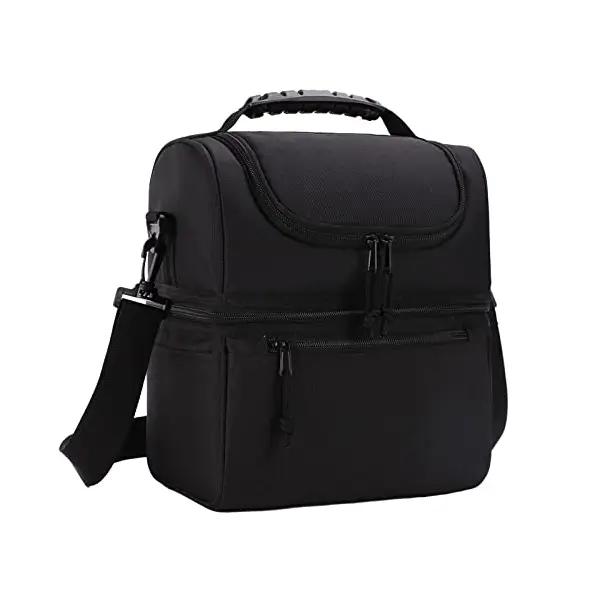
Customize the CB-4007
Your dimensions, colors and logo on this base design. MOQ 500 pieces.
What this construction is good at, and where it is the wrong choice
An insulated thermal delivery backpack built from Oxford fabric has a clear job. It carries temperature-sensitive payloads on someone’s back, over distance, through doors and stairwells. The published dimensions of 30cm*18cm*44cm describe a tall, narrow box on the wearer’s body. That shape keeps the load close to the spine. It also limits how wide a container you can slide in. Think rectangular meal trays, stacked tiffins, pizza sleeves. Not wide casserole dishes. A buyer who runs a grocery delivery program might find the width too tight. A buyer delivering plated meals in uniform containers will find the depth and height efficient.
The Oxford shell is the workhorse part of this design. It resists scuffs, wipes down quickly, and holds printed logos well. It is not a soft, packable cooler you crush into a cabinet. It is a structured carry system. The trade-off is weight and bulk when empty. If your couriers store bags under a counter, fine. If they need to fold ten bags into a car trunk, this is the wrong choice.
Insulation performance depends on details the published spec does not state. Foam type, thickness, liner material, zipper construction. Those get fixed in the approved sample. What you can know from the published material is that Oxford holds the outer shape and protects the insulation layer beneath it. That matters because compressed insulation loses thermal resistance. The fabric also takes repeated abrasion from van floors and door frames better than a lightweight ripstop.
| Published spec value | What it means in use | What to watch for |
|---|---|---|
| Oxford Type | Durable outer shell that keeps the insulation protected and the bag standing open for loading | Confirm the coating or backing and whether the surface cleans with standard kitchen wipes |
| 30cm*18cm*44cm | Tall narrow cavity that suits stacked food containers and bottle payloads | Test your actual delivery containers before approving the sample |
| Cooler Bag, Lunch Bag, Picnic Backpack | One base platform adapted to multiple use cases | Ask which internal divider or pocket layout your version gets |
| Customized Made | You control dimensions, colors, and logo placement rather than buying a stock item | Clarify which changes are free pattern adjustments and which need new tooling |
How buyers customize this SPU, and what each change does to tooling, cost or lead time
Most buyers start with color and logo. Those are routine. You pick a Pantone shade, the factory matches it, and the logo method depends on your artwork and quantity. A heat-pressed PVC logo and a woven label sit at different ends of the cost and durability curve. Woven labels typically need a higher minimum than laser or printed methods. The published spec confirms custom logo printing is accepted. It does not tell you which methods this SPU supports, so ask before you commit artwork.
Size changes are the first real fork in the road. A buyer who says “make it 5 cm wider” is asking for a pattern adjustment. That is usually quick when the base design is already digitized. A buyer who says “add a divider, a bottle sleeve, and a top-loading flap” is asking for structural changes. Those ripple into cutting, sewing, and sometimes new hardware. Lead time moves. The published range of 7 to 30 days after sample confirmation already reflects that spread. A simple logo version lands at the fast end. A resized, re-paneled version lands at the slow end.
Material changes are the quiet cost driver. Oxford comes in different weights and backings. If you want a thicker shell for winter delivery routes, the factory can build that. If you want a lighter shell for bike couriers, that is also possible. Neither change appears in the published spec, so both must be written into the sample request. The same goes for the liner. A buyer who needs leak containment around soup containers should specify a welded or coated liner, not assume the Oxford shell will hold liquid.
What to confirm before you approve sampling on this product
Three things cause most rework on cooler backpacks. The first is the zipper. A delivery bag opens and closes dozens of times per shift. If the zipper is undersized or the corner radius is too tight, it fails early. Confirm the zipper size, pull style, and whether the opening allows one-handed loading.
The second is the strap system. The published spec lists dimensions and material but says nothing about strap width, padding, or attachment. A loaded thermal delivery backpack can carry significant weight. Ask how the straps anchor to the back panel and what reinforcement is used. This is where a cheap sample shows itself fast.
The third is the interior layout. Do you need a divider? A mesh pocket for receipts or utensils? A drain hole? None of that is in the published spec, which means none of it is automatic. Write the interior into the approved sample notes. If you skip this, you will approve a sample that looks right in photos and wrong in daily use.
Also confirm the liner. Cooler bags are used with condensation, spilled drinks, and oily containers. The Oxford shell protects the outside. The liner protects the insulation. Specify whether you need a wipeable, water-resistant liner or a fully sealed one. The difference changes the sewing method and the cost. It is much cheaper to decide before sampling than after production.
For more on how these bags perform in real delivery programs, see our food delivery cooler bags page. If you are comparing backpack styles, the insulated cooler backpacks overview helps. And if you want to understand material trade-offs before specifying, read cooler bag materials.