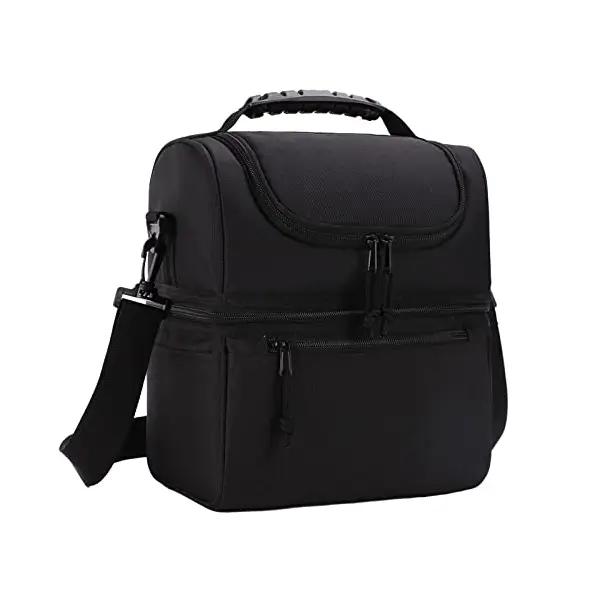
2024 Adult Lunch Box Insulated Lunch Bag Large Cooler Tote Bag Suitable for Men, Women, Double Layer Cooler Bag
| Material | Polyester |
|---|---|
| Type | Cooler Bag,Lunch Bag,Picnic Backpack |
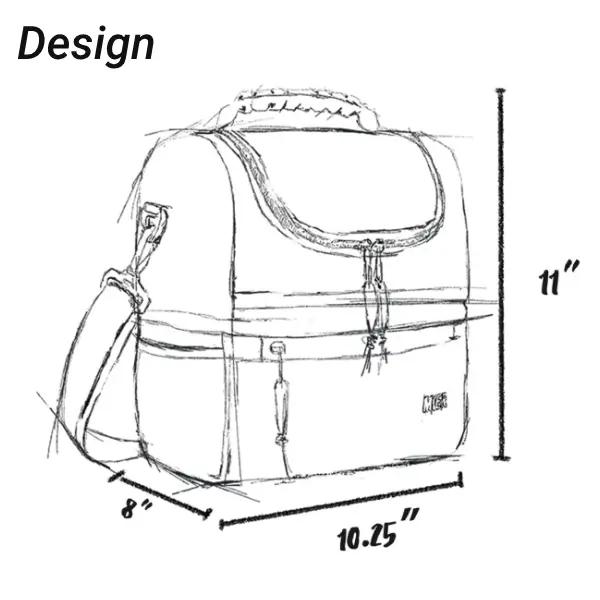
| Dimensions | 20.25cm*8cm*11cm (Customized Made) |
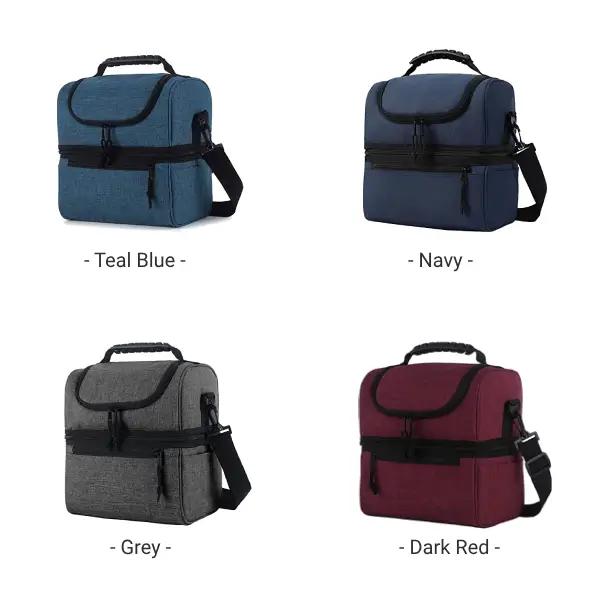
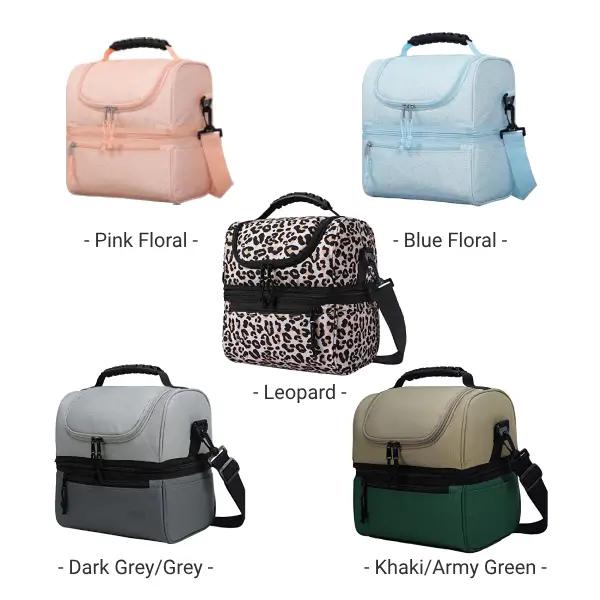
| Color | (Customized Made) |
| Custom Logo | Accept Customized Logo |
Lead time
| 1-200 pieces | 20-30 days |
|---|---|
| > 200 pieces | To be negotiated |
Samples are paid and ship in 1-10 days depending on complexity. We reply within 24 hours.
Product notes
- High-Quality Fabric: Made from premium polyester, this bag ensures long-lasting durability and resistance to wear and tear.
- Personalized Customization: Offers personalized customization options, allowing you to add unique logos or designs to make your bag stand out.
- Variety of Styles: Available in multiple colors and styles, this bag caters to different preferences, making it versatile and adaptable to any look.
- Perfect Size: The bag features a moderate volume, making it ideal for carrying daily essentials and suitable for various occasions.
- Durability: Constructed with tough, high-quality materials, this bag is designed to withstand daily use while keeping your belongings secure.
- Functional Design: With its multifunctional design, this bag serves as an essential accessory for fashion enthusiasts, enhancing the overall aesthetic with practicality.
- OEM Support: Support OEM orders, can be customized according to your needs, to meet different market needs.
Related cooler bags
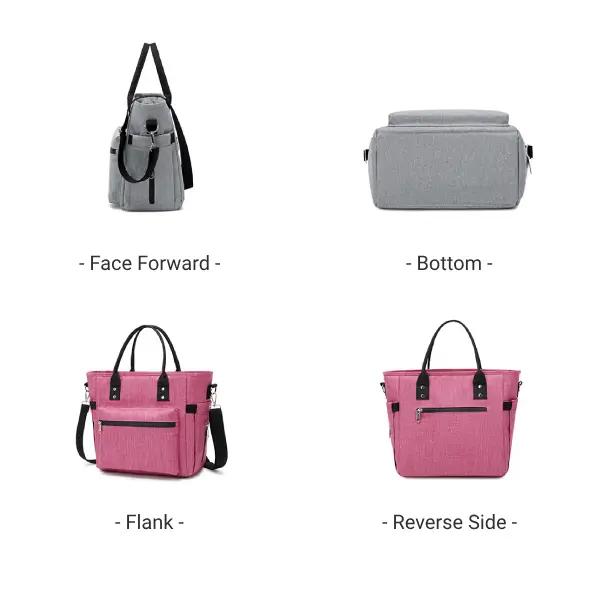
Waterproof Oxford insulated tote, a promo-friendly custom thermal bag.
View specifications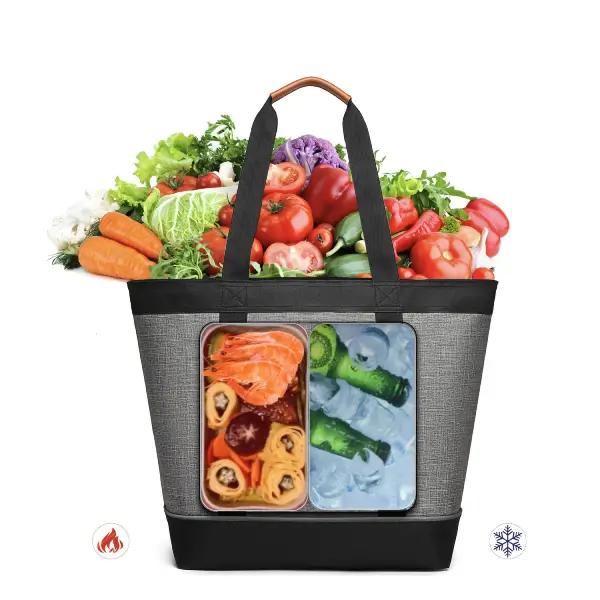
Waterproof Oxford tote lunch bag, insulated and built for logo customization.
View specifications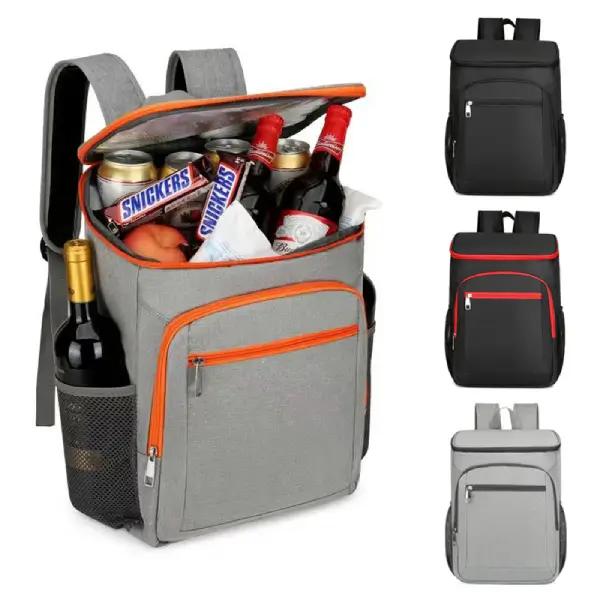
Waterproof Oxford insulated backpack, a hands-free thermal delivery format.
View specificationsCustomize the CB-4021
Your dimensions, colors and logo on this base design. MOQ 500 pieces.
What a double layer lunch cooler tote construction is good at, and where it is the wrong choice
Polyester is the workhorse here. It resists scuffs, dries quickly, and holds a print well enough for daily branding. The published dimensions of 20.25cm*8cm*11cm give you a slim, flat-bottomed profile that sits upright on a desk or car seat. That shape works for a lunch container, a few snacks, and a slim ice pack. It does not work for a wine bottle standing up, or a family picnic load.
“Double layer” in this category usually means a two-part thermal system: an outer shell plus an inner liner, with some form of insulation between them. The benefit is a quieter temperature curve inside the bag. The trade-off is that the bag gets stiffer as you add layers, and the interior volume shrinks relative to the outside footprint. A buyer who wants a soft, crushable tote may find this construction too structured. A buyer who wants all-day cold hold for medical samples should look at medical cooler bags instead.
| Published spec value | What it means in use | What to watch for |
|---|---|---|
| Polyester | Good abrasion resistance and fast drying; accepts screen print and heat transfer well. | Lower-end polyester can feel papery; confirm the weave density and coating on the sample. |
| 20.25cm*8cm*11cm | Fits a standard adult lunch box, a slim ice pack, and a few small items; the 8cm depth keeps the bag from bulging open on a desk. | The 8cm depth is the limiting factor. Tall containers will not fit. Check the interior clearance, not just the outside dimensions. |
| Customized Made | You control the colorway and logo placement, so the same base design can serve different retail or corporate programs. | Customization changes the approval loop. Get a pre-production sample before bulk. |
| Custom Logo | Your brand sits on the front panel, which is the most visible face in a lunchroom or office setting. | Logo size and placement must respect the 20.25cm width; a wide logo will wrap awkwardly around the side seams. |
Polyester also has a real weakness in this use case: it is not a natural insulator on its own. The double layer is doing the thermal work. If the inner layer is merely a second polyester skin with no closed-cell foam or reflective film between, the bag is a fashion tote with a cooler name. Ask for a cutaway or a cross-section photo before you commit to sampling.
How buyers customize this SPU, and what each change does to tooling, cost or lead time
Most changes on this base are routine. You can pick a new colorway from the supplier’s polyester stock, move the logo, or adjust the webbing handle length. Those changes use the existing pattern and hardware. They add little to lead time, though a Pantone-matched solid color usually starts around 200 pieces per the logo-method data we publish for this category. That is a color-matching minimum, not a price.
Some changes force new tooling. A different zipper length or a wider opening means a new pattern. Adding a front pocket or a mesh side sleeve means new cutting dies and possibly new binding. Those changes push you into a longer sampling loop. The published lead time of 20-30 days for 1-200 pieces assumes the base construction stays intact. If you add a custom-shaped logo plate or a molded zipper pull, expect the tooling conversation to start before the fabric conversation.
Logo method matters more than buyers think. A woven label or a metal plate is a component you approve once and reorder. A heat-pressed PVC logo is cheaper to start but shows wear faster on a polyester shell that flexes every time the bag is opened. Laser engraving on a rigid plate is crisp, but it will not work on the soft front panel of this bag. Say a buyer wants a hidden logo system so the same blank bag can serve two retail clients. That is a smart move for a promotional program, but it changes the lining construction and the sample approval.
For more on how the shell material behaves under daily use, see cooler bag materials. If you are building a branded giveaway around this SPU, the promotional cooler bags page explains how buyers usually structure those programs.
What to confirm before you approve sampling on this product
The spec list tells you the outside dimensions and the material. It does not tell you the interior clearance, the insulation type, or the seam treatment. Those three points cause most rework on lunch totes. Confirm the interior width and height with the bag empty and closed. Then confirm them again with a standard lunch container inside. A 20.25cm outside width can hide a 17cm interior if the double layer is thick.
Ask for the insulation cross-section. You want to know whether the middle layer is closed-cell foam, a reflective film, or just a second polyester skin. If the supplier cannot show you the layer stack, do not approve the sample. The thermal claim is only as good as that middle layer.
Check the zipper. A lunch tote gets opened and closed more times per day than a travel cooler. The zipper should run smoothly around the top curve without catching on the liner. Look for a stitch line that is set back from the zipper teeth, so the slider does not chew the fabric. If the bag uses a waterproof zipper, confirm it is actually a coated zipper and not a standard one with a rubber pull.
Finally, write three checks into the approved sample: a leak test with a small amount of water in the liner, a zipper cycling check of at least 20 open-close cycles, and a dimensional inspection against the published 20.25cm*8cm*11cm. Do not accept a sample that meets the outside dimensions but fails the interior clearance. That is the most common reason buyers reject a first sample on this kind of SPU.
If your program involves cold-chain delivery or temperature-sensitive contents, read how long ice lasts in a cooler before you set your acceptance limits.